
Reaching a 1200 rating in chess feels like real progress. You understand the rules, spot simple tactics, and can finish games without blundering every move. But then something frustrating happens. You stop improving.
Many players stay around 1000–1300 for months or even years. This plateau is not random. It usually comes from a small set of recurring problems that limit progress.
This article breaks down the most common reasons why players get stuck at 1200 and gives clear, practical ways to fix each one.
1. You Still Blunder Too Often
At the 1200 level, most games are decided by simple mistakes. Hanging pieces, missing basic tactics, or overlooking threats happens regularly. It is not about deep strategy. It is about consistency.
Many players believe they need better openings or advanced plans. In reality, they lose because of one-move errors. A single blunder can erase ten good moves.
How to fix it:
Slow down. Before every move, ask two questions: “What is my opponent threatening?” and “Is my move safe?” This habit alone can reduce a large percentage of losses.
Also, practice basic tactics daily. Focus on patterns like forks, pins, skewers, and discovered attacks. The goal is not speed. The goal is recognition.
2. You Play Too Fast
Blitz is fun. It is also one of the biggest reasons players stay stuck.
Fast games reward intuition, but at 1200, intuition is still unreliable. You need time to calculate and check for mistakes. If you move too quickly, you reinforce bad habits.
Many players play dozens of blitz games but learn very little from them. They repeat the same mistakes without noticing.
How to fix it:
Play longer time controls. Rapid games (10+0, 15+10) give you time to think. You will start seeing patterns and understanding positions more clearly.
After each game, review it. Even five minutes of reflection is better than jumping into the next game immediately.
3. You Don’t Analyze Your Games
Improvement does not come from playing alone. It comes from understanding your mistakes.
Most 1200 players either skip analysis or rely entirely on engines. They check the evaluation, see a mistake, and move on. That is not learning.
If you do not understand why a move was bad, you will repeat it.
How to fix it:
Analyze your games without an engine first. Try to find your mistakes on your own. Ask questions like: “What was I thinking here?” and “What did I miss?”
Then use an engine to confirm and deepen your understanding. Focus on critical moments, not every move.
4. You Memorize Openings Instead of Understanding Them
Openings are attractive. They feel like a shortcut to better positions.
At 1200, many players memorize move sequences without understanding the ideas behind them. When the opponent plays something unexpected, they are lost.
This leads to poor middlegames and confusion.
How to fix it:
Learn principles, not just moves. Control the center, develop pieces, and keep your king safe. Understand why each move is played.
Stick to a small, simple repertoire. You do not need many openings. You need to understand the ones you play.
5. Your Calculation Is Shallow
At this level, many players only calculate one move ahead. They see a move, respond, and stop there.
This leads to missed tactics and poor decisions. Stronger players calculate multiple moves and compare options.
How to fix it:
Practice calculating variations. Start small. Look two or three moves ahead and visualize the position.
When solving puzzles, do not guess. Calculate fully before moving. This builds discipline and accuracy.
6. You Ignore Endgames
Endgames are often neglected at 1200. Players either avoid them or play them randomly.
This is a mistake. Many games simplify into endgames, and knowing basic techniques can turn draws into wins.
How to fix it:
Learn fundamental endgames. King and pawn endings, opposition, basic checkmates, and simple rook endings are enough to start.
These positions appear frequently. Knowing them gives you a practical advantage.
7. You Play Without a Plan
Many 1200 players make reasonable moves but lack direction. They improve a piece, then another, without a clear goal.
This leads to passive positions and missed opportunities.
How to fix it:
After the opening, ask: “What is my plan?” It could be attacking the king, controlling a file, or improving a weak piece.
Plans do not need to be complex. Even a simple idea gives your moves purpose.
8. You Don’t Understand Your Losses Emotionally
Frustration plays a role. Losing games can lead to tilt, rushed decisions, or overconfidence in the next game.
This emotional cycle keeps players stuck.
How to fix it:
Accept losses as part of improvement. Focus on learning, not just results.
If you feel frustrated, take a break. A clear mind leads to better decisions.
A Simple Improvement Plan
To break out of 1200, you do not need a complicated system. You need consistency.
Play slower games. Analyze your mistakes. Train tactics daily. Learn basic endgames. Focus on understanding, not memorization.
Here is a simple weekly structure:
- Play 3–5 rapid games
- Analyze each game without an engine first
- Solve 15–30 tactical puzzles per day
- Study one basic endgame concept per week
This approach targets the exact weaknesses that keep players stuck.
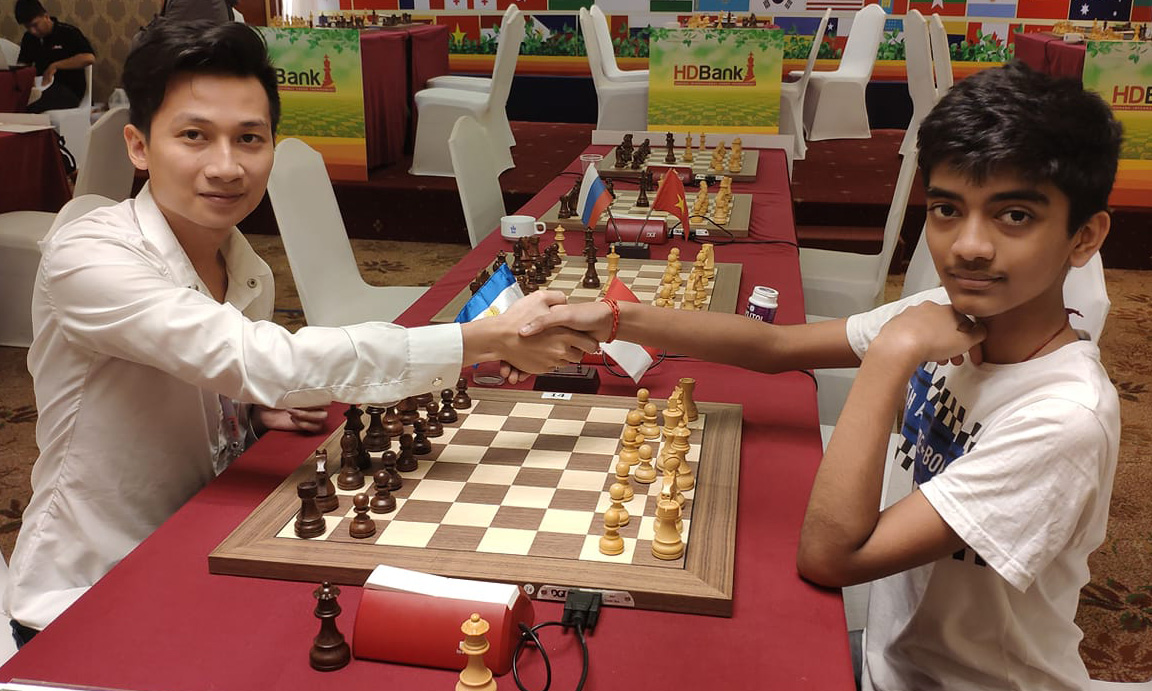
I’m Xuan Binh, the founder of Attacking Chess, and the Deputy Head of Communications at the Vietnam Chess Federation (VCF). My chess.com and lichess rating is above 2300. Send me a challenge or message via Lichess. Follow me on Twitter (X) or Facebook.