
It started like a classic Tal moment. A bold claim appeared out of nowhere, simple on the surface but powerful enough to grab attention instantly. For a few seconds, it felt believable, even natural. But in chess, the first impression is often the most dangerous one.
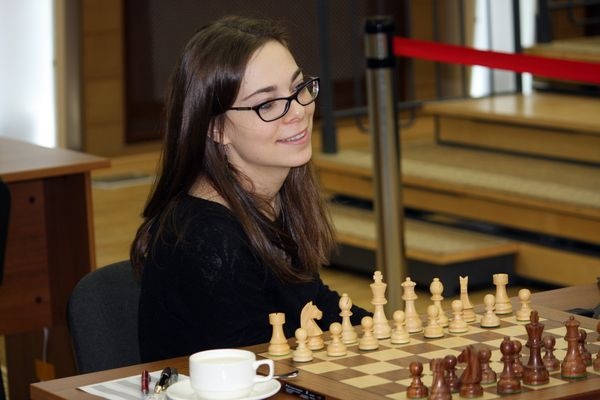
On August 2, 2023, Dina Belenkaya posted a photo while playing chess outdoors at Dupont Circle in Washington, D.C. The setting was casual, almost cinematic, like a street chess scene you would expect in a movie. Then came the caption: “I am the Granddaughter of Mikhail Tal ♟️.” No explanation followed, and that silence was exactly what made the move effective.
A perfect “trap” in the opening
If you study Mikhail Tal, you start recognizing a pattern. His games often begin normally, then suddenly explode into chaos with a move that looks irrational at first glance. Opponents hesitate, unsure whether they are facing brilliance or a mistake, and that hesitation is where the damage begins.
This Instagram caption worked in the same way. It was short, direct, and delivered with complete confidence. Dina Belenkaya is known for dry humor, the kind that does not signal itself as a joke. Many readers took it literally because nothing in the post told them not to.
Why people didn’t calculate
The position looked too natural to question. A Russian-born chess player with a strong personality gets linked to one of the most iconic figures in chess history. The brain fills in the gaps automatically, creating a story that feels complete without needing proof.
This is exactly how blunders happen over the board. A player sees a familiar pattern and stops calculating too early. Instead of verifying the idea, they trust intuition and move quickly. The internet made the same mistake here, accepting the claim without checking a single fact.
Let’s slow the game down
Now we switch from blitz to classical thinking. Mikhail Tal had a well-documented family, including his son Georgy and his daughter Zhanna Tal. These are not obscure details, but established facts confirmed through interviews, memoirs, and historical records.
There is no verified connection between that family and Dina Belenkaya. No shared lineage, no supporting documents, and no acknowledgment from either side. Once you examine the position carefully, the illusion starts to collapse.
Dina’s real path
The real story of Dina Belenkaya is straightforward and does not require any legendary connection. She was born in Saint Petersburg and learned chess from her mother, who worked as a coach. Her development came through structured training, tournament experience, and steady progress over time.
She earned the Woman Grandmaster title in 2016 and later built a large audience through streaming and content creation. Her career reflects modern chess pathways rather than inherited legacy. The success is built, not passed down.
Why the myth feels right
The rumor works because it fits emotionally, not logically. Mikhail Tal represents creativity, risk-taking, and entertainment, qualities that many fans associate with engaging chess personalities today. When they see similar traits in someone like Belenkaya, the connection feels intuitive.
But style is not genetics. Playing boldly or entertaining an audience does not create a family link. This is a classic example of confusing narrative symmetry with factual truth.
A very Tal-like illusion
In a strange way, the entire situation mirrors a Tal combination. A surprising move appears on the board and draws you in immediately. You sense something unusual, but instead of calculating, you trust the surface and move on.
Later, when you revisit the position, you realize there was no deep tactic at all. The move worked only because you believed in it. The illusion disappears the moment you start thinking critically.

I’m a passionate board game enthusiast and a skilled player in chess, xiangqi and Go. Words for Attacking Chess since 2023. Ping me at Lichess for a game or chat.