
ratings
Chess 101
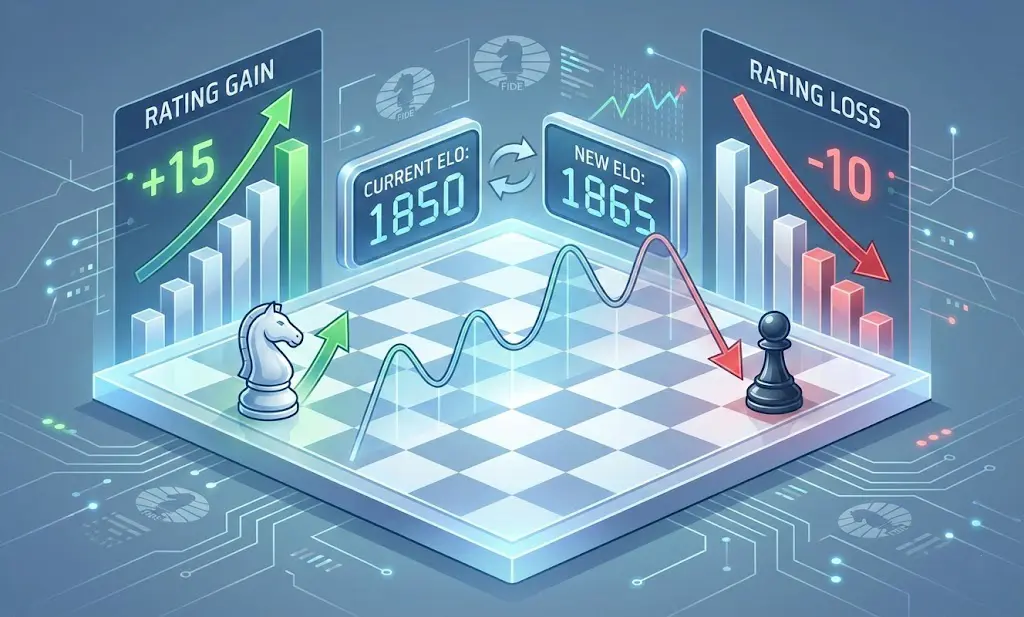
What does the K-factor in chess mean? an easy explanation
The K-factor (or development coefficient) is one of the simplest pieces in the mathematics behind chess ratings. In plain language,...
News
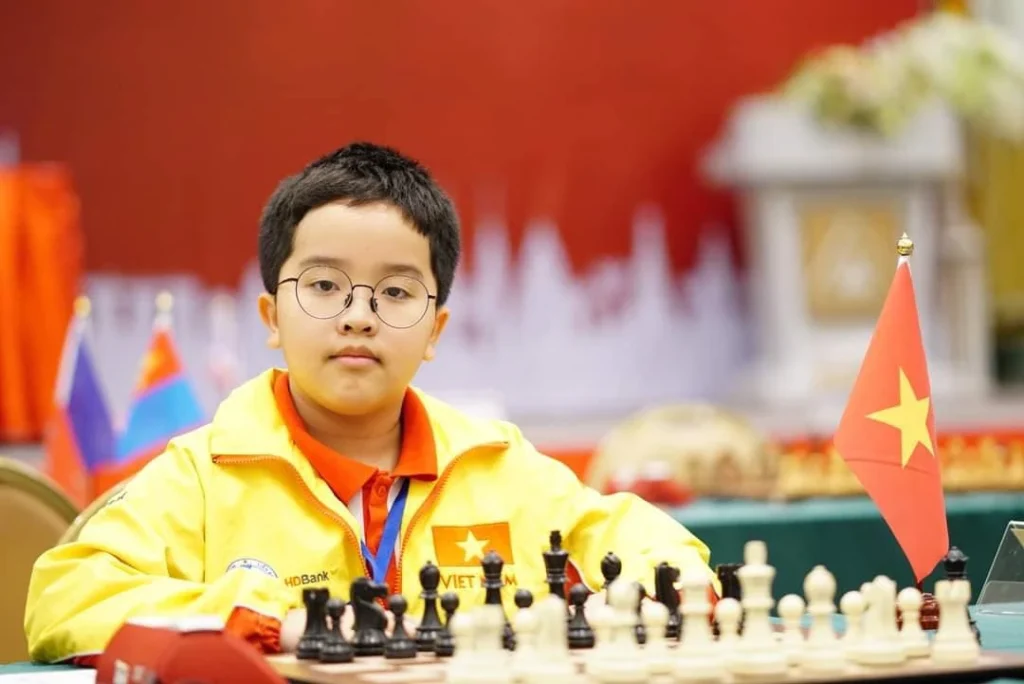
Rethinking FIDE’s Elo System: The Vũ Anh Case and the K-Factor Paradox
FIDE’s rating system gives young players certain advantages. Under current rules, players under 18 and below 2300 Elo receive a...

News
Ranking the Top US Chess Players December 2025
The December 2025 FIDE rating lists offer a clear snapshot of where American chess stands on the global stage. Every...
Chess 101
What Chess Rating Is Considered Good?
People who play chess often ask the same simple question. What rating should I aim for to call myself “good”?...
Chess 101
What Is a Good Chess.com Rating at Every Age?
Chess.com ratings can feel confusing. Some kids hit 1500 in months. Some adults stay at 800 for years. And every...

Chess 101
How to Increase USCF Points Quickly (clear, practical & advanced guide)
If your goal is to raise your USCF rating quickly, you’ll get the fastest results by combining smart tournament selection,...
Chess 101
FIDE vs USCF Ratings: What’s the Difference?
If you play over-the-board chess, you’ve probably seen at least two different rating numbers next to players’ names: a FIDE...

News
Why Chess Twitter Is Exploding Over FIDE’s Rating Changes
The chess world has been buzzing after Ukrainian Grandmaster Oleksandr Bortnyk accused FIDE – the global chess federation – of...

Chess 101
Understanding the Elo Rating System in Chess
If you’ve ever played chess online or followed professional tournaments, you’ve probably seen those mysterious numbers next to players’ names—something...

Chess 101
What’s a Good USCF Rating? A Look at the Real Numbers
If you’ve ever wondered how your USCF rating compares to other players, you’re not alone. One of the most common...