chess rules
Chess 101
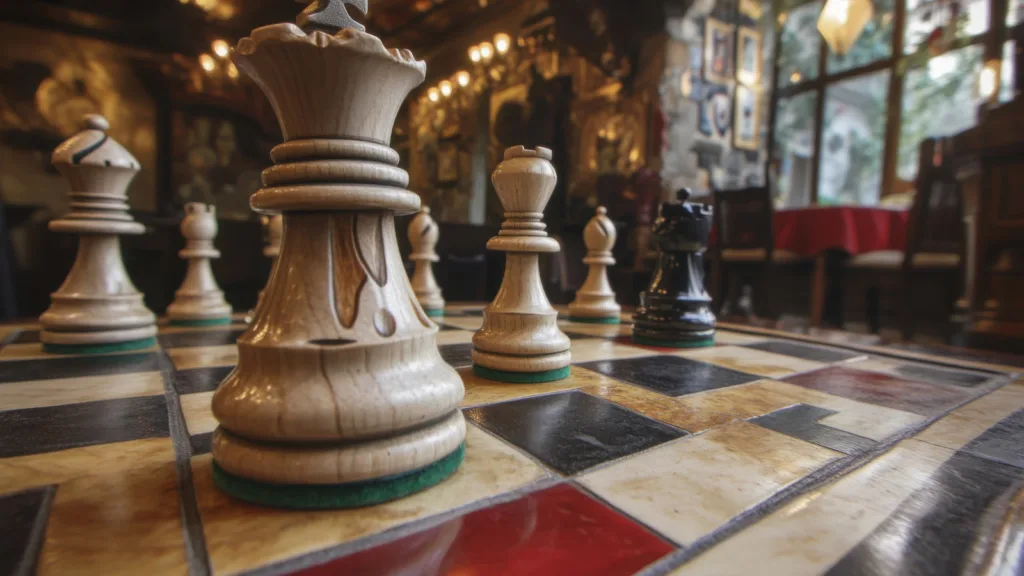
The Names of Chess Characters Through History and Cultures
If you’ve ever looked at a chessboard and wondered why a horse is called a “knight,” or why the queen...
Chess 101
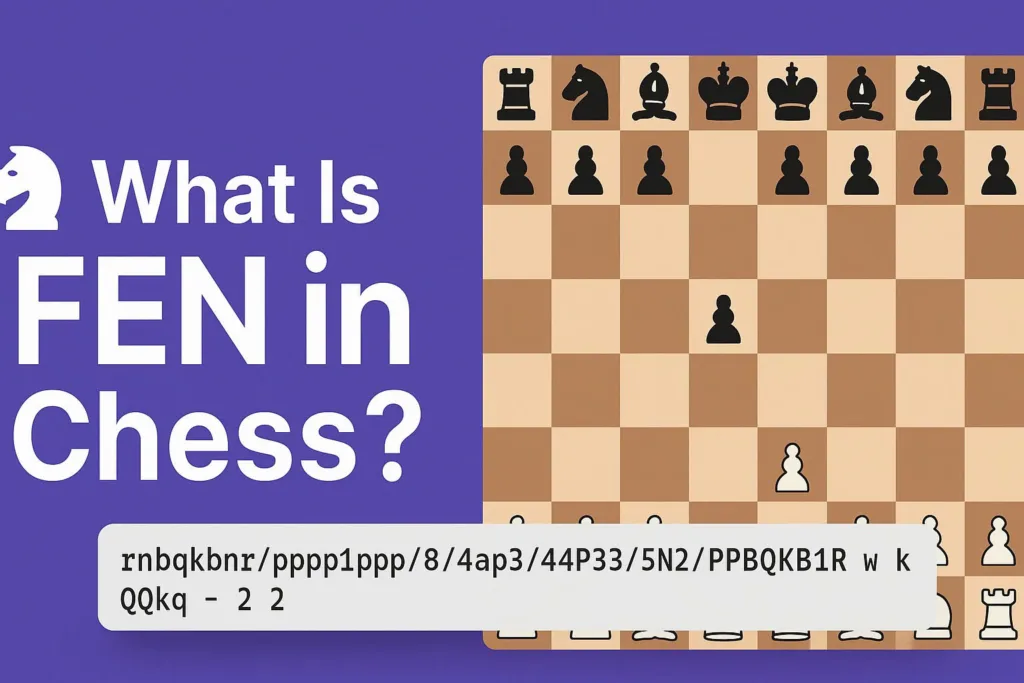
What Is Forsyth–Edwards Notation (FEN) in Chess? A Simple Guide for Beginners
If you’re diving into The Password Game, solving chess puzzles, or just curious about how chess positions are recorded, you...
Chess 101
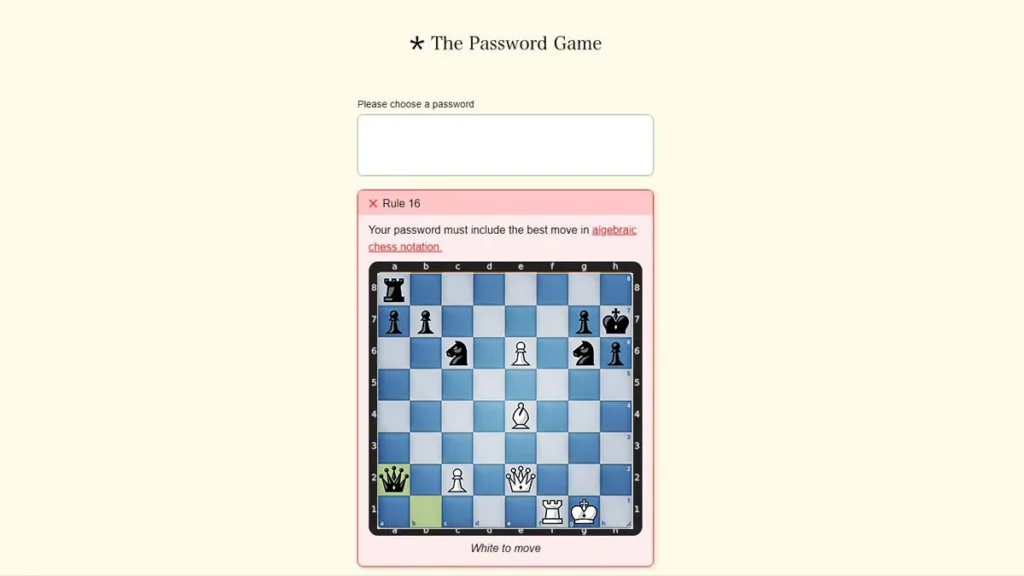
How to Beat Rule 16 in The Password Game — Even If You Know Nothing About Chess
So you’ve made it to Rule 16 in The Password Game. Congratulations! But now the game suddenly throws a wild...
Strategy & Tactics
The Art of Drawing Through Stalemate
Stalemate is often a miraculous escape for one side. Here are 10 instructive examples where the losing side saved the...
Chess 101
Checkmate: The Best Ending in Chess
Checkmate. The word itself is like a mic drop in chess. It’s not just a move—it’s a statement. A declaration...
Chess 101
Illegal Moves in Chess: When Your Brain Says “Go,” But the Rules Say “No”
Chess is a game of infinite possibilities—well, almost. For all the creativity you can bring to the board, there are...
Chess 101
50-Move Rule: How Chess Stops Never-Ending Games
Chess is full of dramatic checkmates, jaw-dropping tactics, and heart-stopping blunders. But sometimes, the drama fades into a quiet, unyielding...

Chess 101
En Passant: What Is This Chess Rule? Is This Cheating?
Chess is full of peculiar quirks that make the game as beautiful as it is challenging. Among them, en passant...

Chess 101
Chess Points of Pieces: Why Your Queen is Basically a Ferrari
Ever wondered why losing your queen feels like losing your favorite snack at a chess party? It’s all about the...

Chess 101
How to Avoid Stalemate in Chess: Turning Close Calls into Checkmate
You’ve outplayed your opponent. Their king is limping across the board, their pieces are scattered, and victory feels inevitable. But...