
chess rules
Chess 101
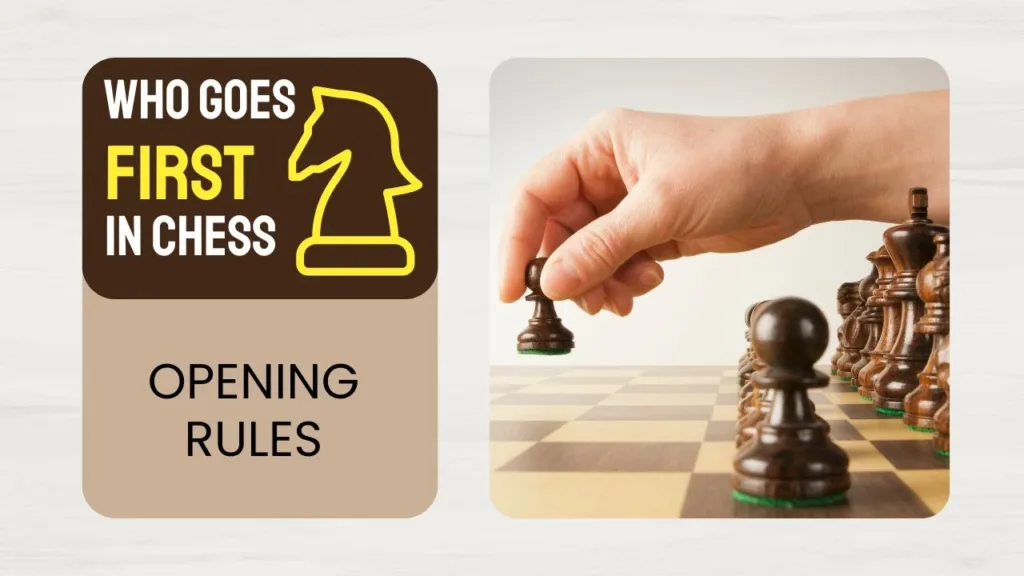
Who Goes First in Chess – Why It Always Starts This Way?
If you’ve ever watched a chess game, you may have noticed something consistent: one player always moves first. But who...
Chess 101
Is Chess a Sport? Here’s the Official Answer
When you think of sports, you probably imagine athletes running, jumping, or sweating it out on a field. But then...
Chess 101
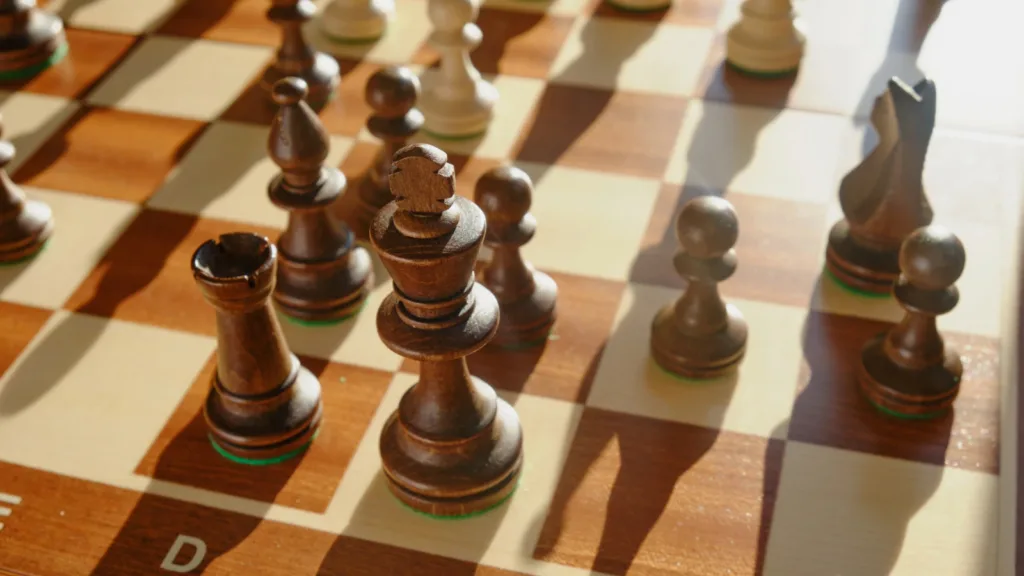
Queenside Castling in Chess: Riskier, Bolder, and Full of Potential
When most players learn to castle, they naturally gravitate toward the kingside. It feels safer, faster, and more familiar. But...
Chess 101
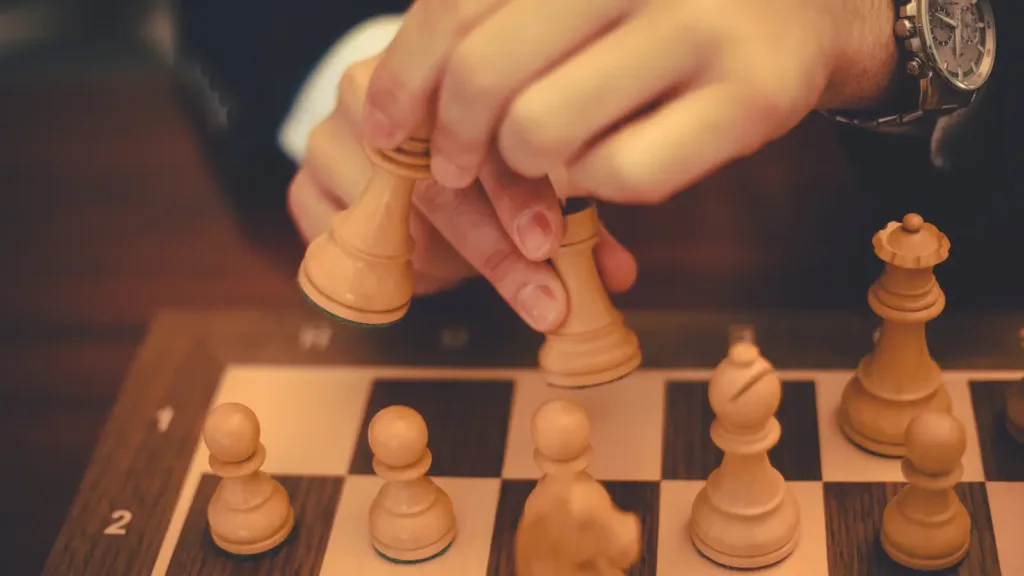
Castling in Chess: What It Is and How It Works
Castling is one of the most unique and important moves in chess. It’s the only move where two pieces—your king...
Chess 101
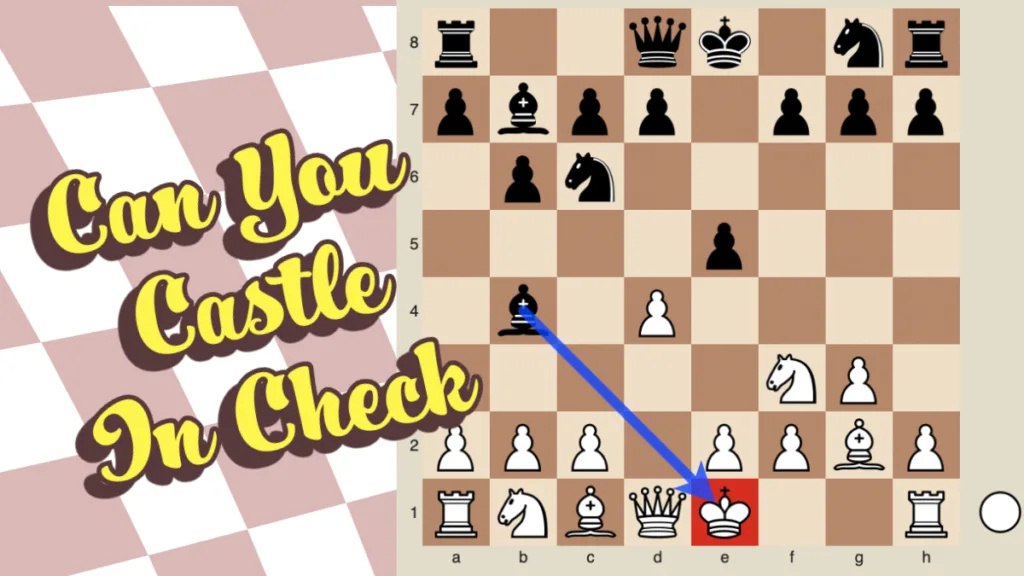
Can You Castle When in Check? A Clear Guide to Chess’s Most Misunderstood Rule
Short Answer: No, you cannot castle while your king is in check.Let’s break that down and cover the other castling...
Chess 101
The Names of Chess Characters Through History and Cultures
If you’ve ever looked at a chessboard and wondered why a horse is called a “knight,” or why the queen...
Chess 101
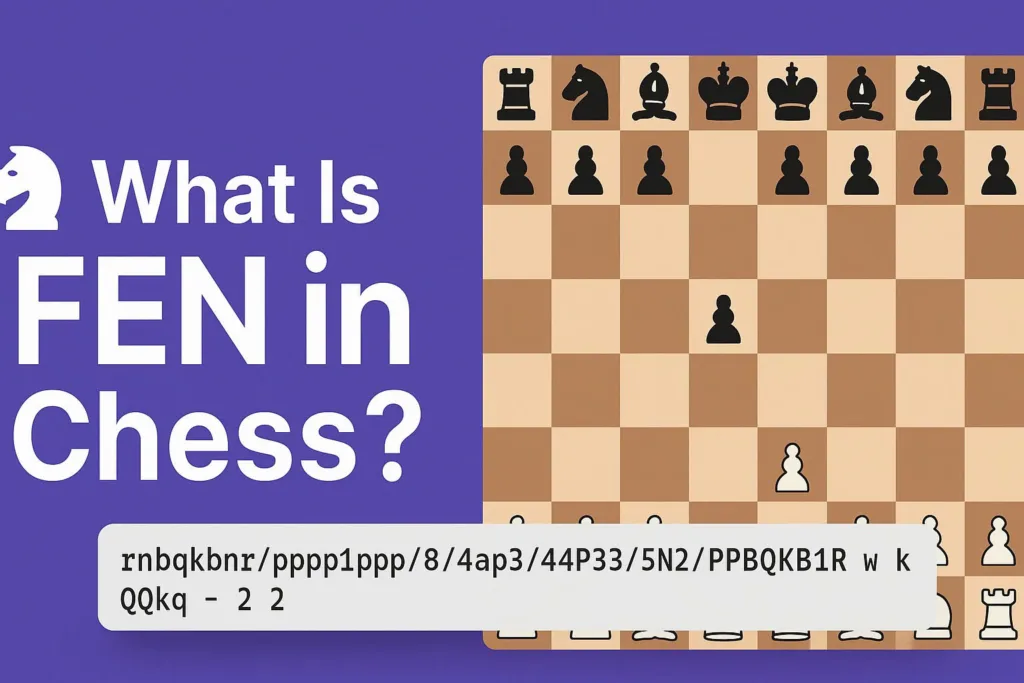
What Is Forsyth–Edwards Notation (FEN) in Chess? A Simple Guide for Beginners
If you’re diving into The Password Game, solving chess puzzles, or just curious about how chess positions are recorded, you...
Chess 101
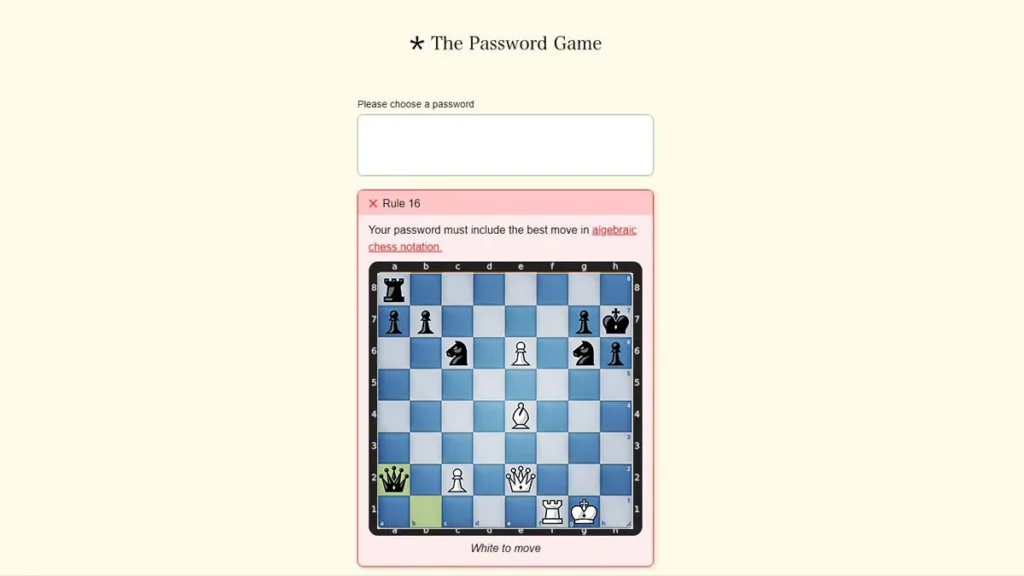
How to Beat Rule 16 in The Password Game — Even If You Know Nothing About Chess
So you’ve made it to Rule 16 in The Password Game. Congratulations! But now the game suddenly throws a wild...
Strategy & Tactics
The Art of Drawing Through Stalemate
Stalemate is often a miraculous escape for one side. Here are 10 instructive examples where the losing side saved the...
Chess 101
Checkmate: The Best Ending in Chess
Checkmate. The word itself is like a mic drop in chess. It’s not just a move—it’s a statement. A declaration...