
In July 2017, I felt stuck. My blitz rating on Chess.com was 1724 and it had stayed there for months. I played fast. I played a lot. But I played without a plan. Every game looked the same. I won by tricks. I lost by blunders. And I always told myself the same thing: “Just play more.”
It did not work.
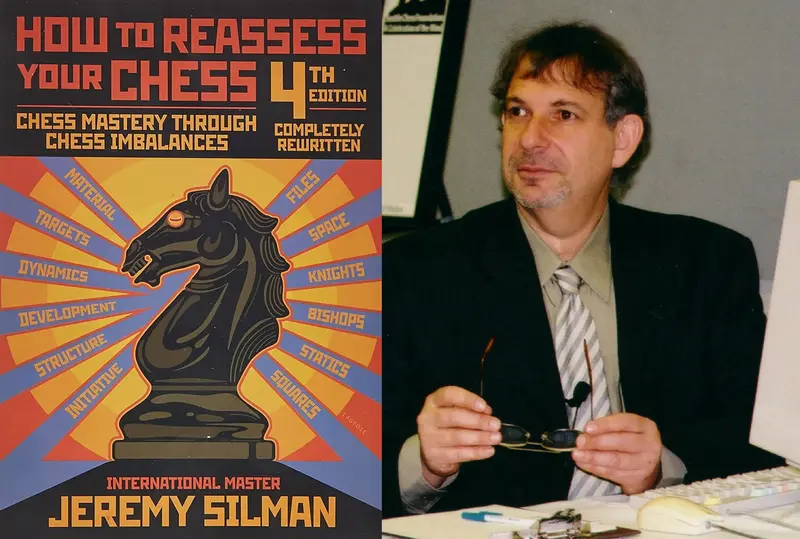
One day, a friend suggested How to Reassess Your Chess. I opened the book with no big expectations. I thought it would be another heavy manual full of fancy words. But the tone surprised me. The author talked in a simple way. He joked. He told stories. He explained chess ideas like he was teaching one person, not a room full of masters.
And that is how my four-month climb began.
BuyHow to Reassess Your Chess on Amazon
Learning About Imbalances
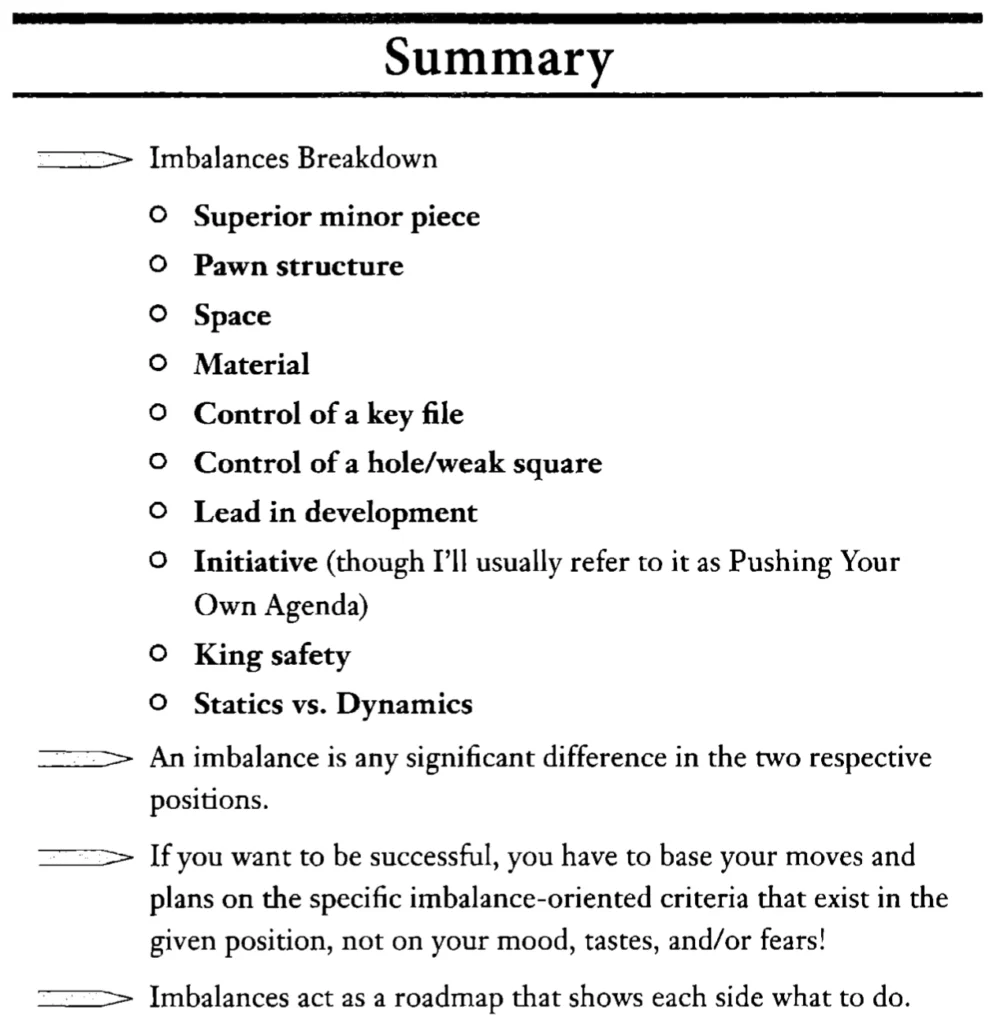
The first part of the book talks about “imbalances.” At first the word felt strange. But the idea was clear. Chess is about small differences. One side has a better bishop. One side has more space. One side controls a key file. These small things add up. They shape the plan.
I had never played chess like that. Before, I moved pieces because they looked active. I attacked because it felt fun. I rarely looked at pawn structure. I never asked myself which minor piece I wanted to keep.
After reading the chapter on superior minor pieces, I started to look at bishops and knights in a new way. I realized that I often put my knights on poor squares. I also traded bishops without thinking. The book taught me to slow down. To ask one simple question: “Which piece is better here?”
Many of my early gains came from this one habit.
The Pawn Structure Wake-Up Call
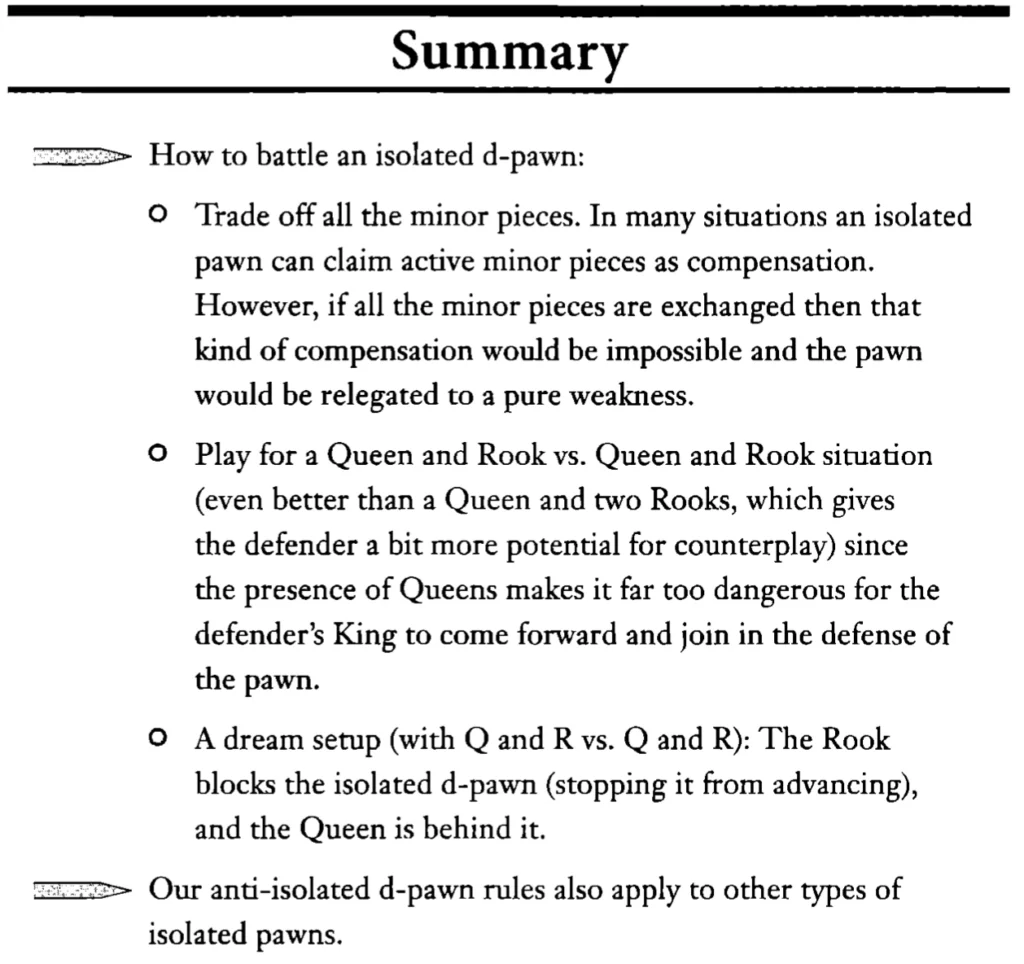
A huge breakthrough came in August. I was reading a chapter about pawn weaknesses and passed pawns. The author talked about how innocent pawn moves can weaken squares forever. That sentence hit me. I looked back at my own blitz games. I saw the same pattern again and again. I pushed pawns for no reason. I created holes. I opened lines for my opponent. I blamed tactics when I lost, but most losses started much earlier, on the third or fourth move when I made a lazy pawn push.
So I changed my approach. I did not push pawns unless I had a reason. I protected good structures. I tried to create targets on my opponent’s side instead of creating these things for them.
Space and Planning
In September, I reached around 1820. This was the highest I had ever been. But I felt nervous. I worried that it was only luck. So I kept reading.
The chapters on space changed my mindset the most. I had always feared space. When someone grabbed the center, I backed away. When someone attacked the wings, I ran to the corner. But the book explained that space offers long-term pressure. It also explained how to fight against it: pawn breaks, trades, activity.
I began to see games in a calmer way. Space was not something to fear. It was something to use or something to undermine.
Then came the planning chapter. The idea was simple: look at the imbalances, then make a plan that fits them. Not a dream. Not a “maybe I will mate him” plan. A real one based on the board.
My games felt different. Less random. More controlled. Even when I lost, I understood why.
Psychology and Confidence
One surprising part of the book was the psychology section. I never thought about my emotions in blitz. But the author talked about panic, fear, and the curse of “I can’t.” I saw myself in those pages. Many times, I froze in winning positions. I rushed in equal positions. I made “soft moves” just to stay safe.
I started to notice these moments during games. When I felt fear, I took one extra second. I asked, “What is the real threat?” Most of the time, the threat was small or not real at all.
This simple change saved many rating points.
Reaching 1950 in November
By October, I was around 1880. I felt a new kind of chess brain growing inside me. The growth was slow but steady. I was no longer relying on cheap shots. I was playing real moves. Logical moves. Moves with a purpose.
In November, I crossed 1950. It was a special moment. It felt earned. It felt honest. For the first time in my chess life, I felt that I understood the board instead of guessing on every move.
The book did not magically give me skill. But it gave me a structure. It taught me how to think. It made me talk to the board, just like the author said. And the board slowly started to talk back.
Final Thoughts
How to Reassess Your Chess is not a flashy book. It does not promise a shortcut to mastery. Instead, it takes your hand and walks you through the basics that many players skip. It explains why small things matter. It gives you tools that last a lifetime. And it does this with warmth, humor, and honesty.
My four-month climb from 1724 to 1950 is proof of that. I did not study for hours every day. I did not memorize long lines. I simply read the book, played games, and tried to apply one idea at a time.
If you feel stuck in your rating. If you feel like you make the same mistakes again and again. If you want to understand chess, not just survive it. Then this book is worth reading.
Update: A Small Tribute to Jeremy Silman
While working on this review, I made a discovery that stopped me for a moment. Jeremy Silman passed away in September 2023 at the age of 69. I didn’t know that before. And somehow, learning it now made the book feel different. It felt like I was listening to a voice that is no longer here, but still teaching, still encouraging, still shaping players like me.
Silman was one of the few chess writers who could take complex ideas and explain them with warmth and humor. He understood club players. He understood frustration. He understood the messy, emotional side of our improvement journey. And he wrote for us, not for grandmasters.
His “imbalances” framework changed how thousands of amateurs think. His endgame book guided a whole generation. His storytelling style made learning feel personal.
When I read How to Reassess Your Chess back in 2017, I didn’t know anything about his life. I didn’t know he had lived through the Haight-Ashbury scene, taught a Great Courses series, or consulted on the chess scene in Harry Potter. I didn’t know he had written more than 35 books or battled illness in his final years.
I only knew that his words helped me play better. Now that I know more, I feel grateful in a deeper way.
So I decided to write this review as a small tribute. It’s my way of saying thank you to someone who quietly changed my chess life.
And if you enjoy his writing as much as I did, you can consider buying the book on Amazon through the affiliate link. It costs nothing extra, and it’s a simple way to support the work he left behind, and, in a small way, his family too.
Buy How to Reassess Your Chess on Amazon
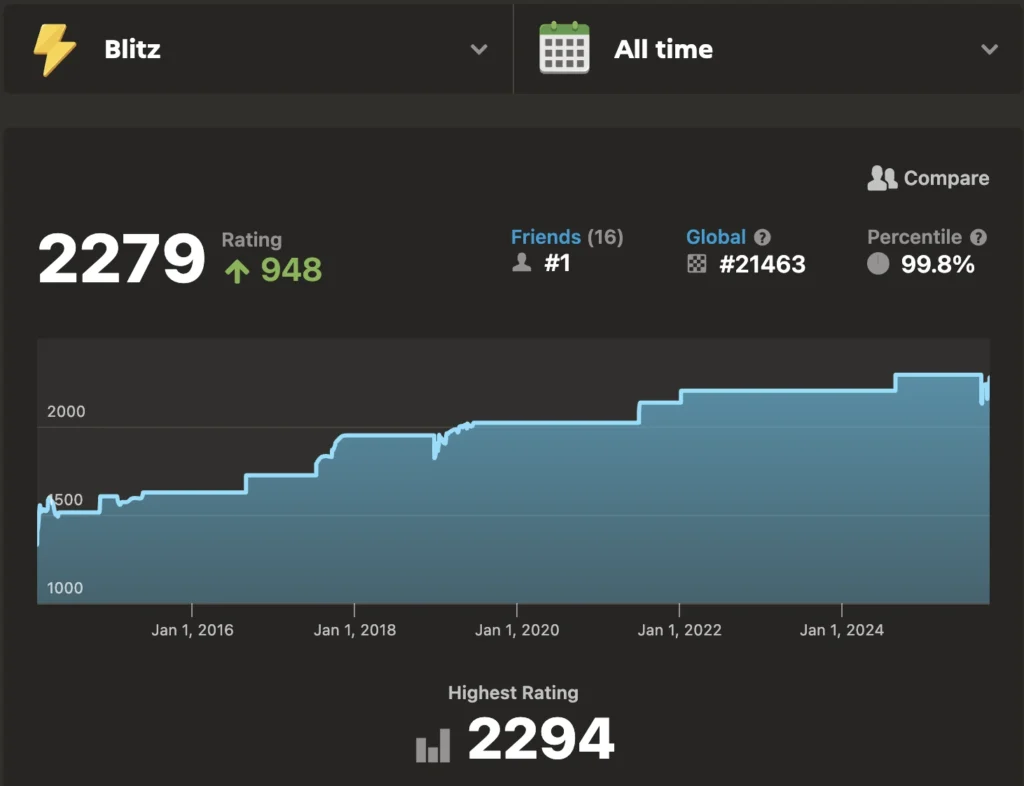
I’m the senior editor of Attacking Chess, a keen chess player, rated above 2300 in chess.com. You can challenge me or asking questions at Chess.com.