
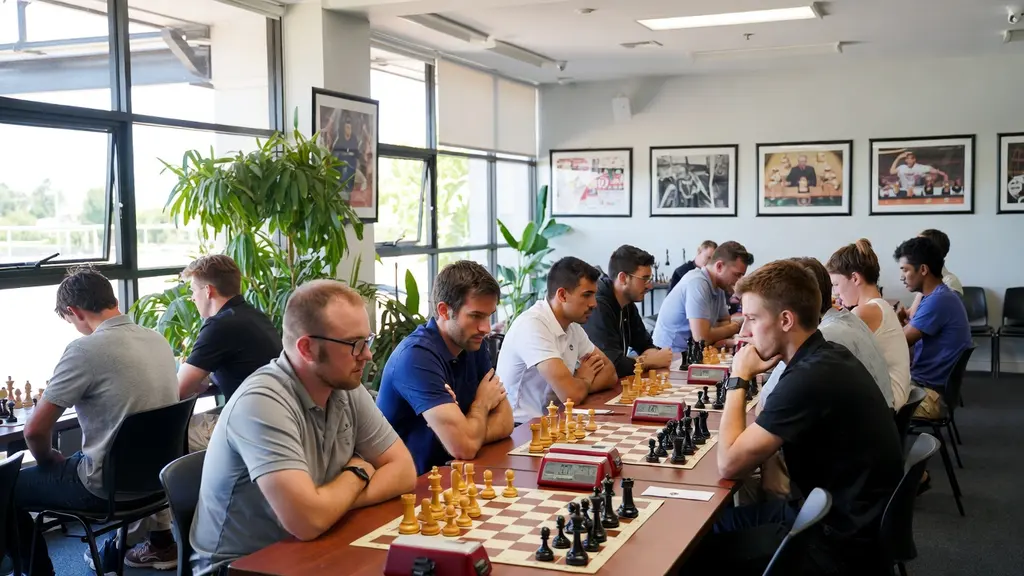
When people think of Perth, Australia, chess is not usually the first thing that comes to mind. The city is more often associated with beaches, outdoor living, and a relaxed lifestyle far removed from the hustle of Australia’s eastern capitals. However, beneath that laid-back surface, Perth hosts a surprisingly active and well-structured chess community. Whether you are a casual player, a competitive tournament regular, or a complete beginner looking to learn the game, Perth offers more chess opportunities than many newcomers expect.
So, is there really a chess community in Perth? The answer is a clear yes. In fact, the city supports a combination of long-standing chess clubs, regular tournaments, social meetups, and grassroots initiatives that keep the game alive across Western Australia.
A Strong Foundation of Chess Clubs
The core of Perth’s chess scene is built around several established chess clubs that have been operating for decades. These clubs provide a structured environment for regular play, organized competitions, and player development.
One of the most prominent organizations is the Perth Chess Club, which is widely regarded as one of the central hubs for competitive chess in the city. The club typically meets weekly and runs events throughout most of the year, taking only short breaks during holiday periods. Players can expect classical time-control games, internal club tournaments, and officially rated matches. The club attracts a wide mix of players, ranging from beginners who have recently learned the rules to experienced competitors with national and international ratings.
Another long-standing institution is the Metropolitan Chess Club, founded in the late 1950s. This club has a strong tradition and a loyal membership base. Weekly chess nights are a key feature, offering both casual games and organized competitions. The atmosphere tends to be welcoming rather than intimidating, making it a popular choice for players who want serious chess without an overly intense environment.
Both clubs play an important role in introducing new players to competitive chess, offering mentoring opportunities, and maintaining a sense of continuity within Perth’s chess community. Together, they form the backbone of organized chess activity in the city.
Competitive Chess and Tournament Opportunities
Beyond weekly club play, Perth also supports a steady calendar of tournaments and competitive events. These range from local weekend competitions to larger multi-day opens that attract players from across Western Australia and occasionally interstate.
One of the most notable events on the calendar is the Perth International Open, which typically features multiple sections catering to different rating levels. This structure allows stronger players to compete for top honors while giving less experienced participants a fair and competitive environment. Events like this play a key role in keeping competitive chess alive in a city that is geographically isolated from Australia’s eastern chess centers.
Team-based competition is another important part of Perth’s chess culture. The Perth Chess League brings together clubs and teams from across the metropolitan area and surrounding regions. Players compete in divisions based on strength, which helps ensure balanced matches and encourages broad participation. League chess adds a social dimension to competition, fostering club loyalty and friendly rivalries.
Smaller opens and regional tournaments are also held throughout the year, providing additional opportunities for rated games. For players who want consistent competition without traveling interstate, Perth’s tournament scene offers a realistic and accessible pathway.
Casual and Social Chess in the City
Not everyone in Perth’s chess community is focused on ratings or tournament standings. Casual chess plays an equally important role in keeping the game visible and accessible.
Libraries and community centers across Perth often host informal chess sessions. These gatherings are usually free, open to all ages, and focused on social interaction rather than competition. They are especially popular with juniors, families, and newcomers who may feel hesitant about joining a formal club right away.
In the city center, informal chess meetups occasionally appear in public spaces. Players bring boards to pedestrian areas or shopping precincts, inviting passers-by to stop and play. These spontaneous games help create a sense of chess as a shared social activity rather than a niche hobby.
Cafes, pubs, and university spaces also contribute to the casual chess scene. Chess nights organized by students or local groups provide a relaxed environment where conversation is just as important as the game itself. These events tend to attract younger players and those who see chess as a social pastime rather than a competitive pursuit.
Online Communities and Modern Connections
Like many modern chess scenes, Perth’s community extends well beyond physical boards. Online platforms play an important role in connecting players, organizing meetups, and sharing information about events.
Social media groups dedicated to chess in Perth allow players to announce tournaments, look for opponents, and coordinate casual games. Messaging platforms and forums also help bridge the gap between clubs and unaffiliated players, ensuring that information spreads quickly throughout the community.
Online chess itself has also boosted local interest. Many Perth players balance online play with over-the-board chess, using digital platforms to practice and improve before testing their skills in person. This blend of online and offline activity has helped sustain interest in chess, particularly among younger generations.
A Community for All Skill Levels
One of the defining features of Perth’s chess scene is its inclusivity. Players of all ages and skill levels can find a place within the community. Beginners are welcomed through casual sessions and club beginner nights, while advanced players have access to serious competition and structured tournaments.
Junior chess development is also a growing area of focus. Many clubs and community programs encourage youth participation, helping to introduce chess as both a learning tool and a competitive sport. These efforts ensure that the community continues to renew itself over time.

I’m the senior editor of Attacking Chess, a keen chess player, rated above 2300 in chess.com. You can challenge me or asking questions at Chess.com.