
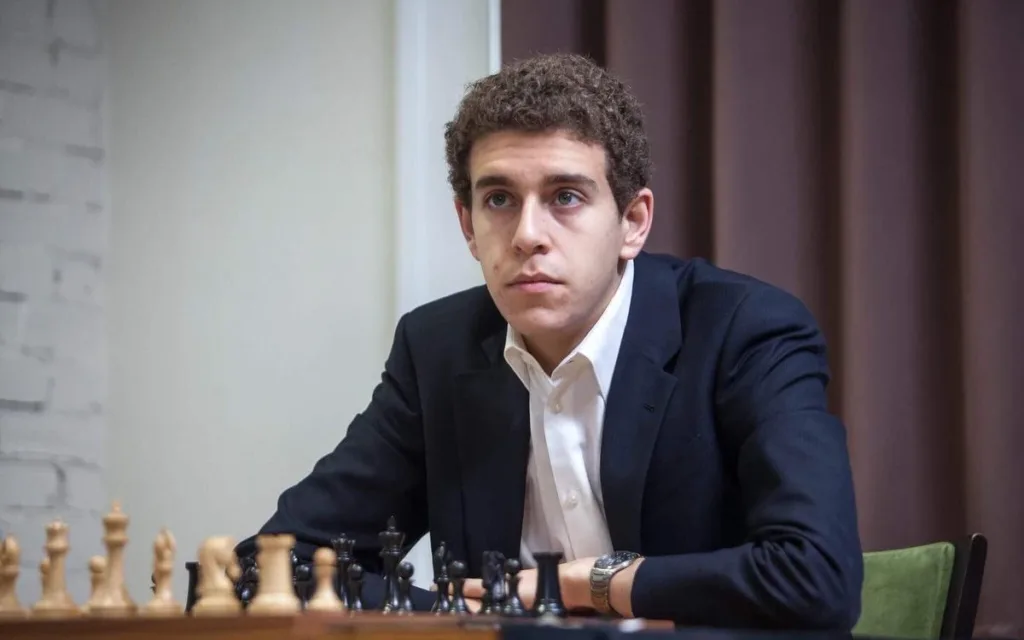
The death of American chess grandmaster Daniel Naroditsky at the age of 29 shocked not only the chess world but also a much wider public that had come to know him through online platforms, commentary, and teaching.
Naroditsky was not just an elite player; he was a communicator, an educator, and a symbol of a new generation of chess professionals who thrived both over the board and online. When news first broke in October 2025 that he had been found dead in his home in Charlotte, North Carolina, authorities offered few details, stating only that the case was being investigated as a possible overdose or suicide. Months later, the release of a toxicology report shed more light on what substances were present in his body at the time of death and led to an official conclusion of accidental poisoning.
This article looks at the death cause, the toxicology findings, and the substances involved, while also placing the tragedy in the broader context of Naroditsky’s life, career, and the pressures he faced. The goal is not sensationalism, but understanding—both of the medical facts and the human story behind them.
Contents
Daniel Naroditsky: A Brief Portrait
Daniel Naroditsky was a chess prodigy from a young age. Born in 1995, he learned chess as a child in California and quickly rose through the ranks. By his early teens, he was already nationally known, and at just 18 years old, he earned the title of grandmaster, the highest rank in chess. Unlike many elite players who focus solely on competition, Naroditsky also pursued academics, graduating from Stanford University with a degree in history.
In later years, he became one of the most recognizable faces in American chess, especially during the pandemic-era boom of online chess. Under the nickname “Danya,” he built a massive following on YouTube and Twitch, where hundreds of thousands of viewers watched his instructional videos, live games, and commentary. His style was widely praised: clear, patient, and encouraging. He had a rare ability to explain complex ideas in simple language without talking down to his audience.
Despite his success, Naroditsky’s final years were not free of stress. He remained an elite blitz player and won the U.S. Blitz Championship just months before his death. At the same time, he was subjected to public accusations of cheating in online games, most notably by former world champion Vladimir Kramnik. Although no evidence ever supported these claims, the scrutiny took a psychological toll. In his last livestreams, Naroditsky openly acknowledged how difficult it had become to perform under constant suspicion.
The Toxicology Report and Official Death Cause
After Naroditsky was found unconscious on a sofa by close friends Oleksandr Bortnyk and Peter Giannatos, authorities launched an investigation. For months, no official cause of death was announced. That changed in January 2026, when the North Carolina Office of the Chief Medical Examiner released toxicology findings.
According to the report, four substances were found in Naroditsky’s system:
- Methamphetamine
- Amphetamine
- Mitragynine
- 7-hydroxymitragynine
Based on these findings, medical examiners concluded that Naroditsky died from accidental poisoning, rather than suicide or homicide. The combination of powerful stimulants and kratom-related compounds was determined to be fatal.
Understanding what these substances are, why people use them, and how they can cause harm is essential to making sense of this tragedy.
Methamphetamine and Amphetamine: Powerful Stimulants
Methamphetamine and amphetamine are synthetic stimulant drugs that act on the central nervous system. While they are chemically related, methamphetamine is generally considered more potent and more dangerous.
Why people use them:
Amphetamines have legitimate medical uses. In controlled doses, they are prescribed for conditions such as attention deficit hyperactivity disorder (ADHD) and narcolepsy. They can increase alertness, focus, and energy. Methamphetamine, in limited and rare cases, has also been prescribed in the past, though this is uncommon today.
Outside medical settings, these drugs are often used to stay awake, improve concentration, or boost performance—whether mental or physical. In high-pressure environments, such as competitive gaming, intense academic work, or demanding professional fields, some individuals turn to stimulants to cope with workload and expectations.
Health risks and harms:
Both methamphetamine and amphetamine place enormous strain on the body. They increase heart rate and blood pressure, raise body temperature, and flood the brain with dopamine. Short-term effects can include anxiety, agitation, paranoia, and insomnia. Long-term or high-dose use can cause severe cardiovascular damage, organ failure, psychosis, and addiction.
Overdose risk rises sharply when stimulants are taken in large amounts or combined with other substances. The heart, in particular, is vulnerable, as stimulants can trigger fatal arrhythmias or heart attacks even in young individuals.
Kratom and Its Active Compounds
Mitragynine and 7-hydroxymitragynine are the main psychoactive compounds found in kratom, a plant native to Southeast Asia. Kratom leaves have been used traditionally in countries like Thailand and Malaysia for centuries.
Why people use kratom:
Kratom is often marketed in the United States as a natural supplement. Depending on the dose, it can act as a mild stimulant (at lower doses) or a sedative and pain reliever (at higher doses). Some people use it to manage chronic pain, anxiety, or fatigue. Others use it to ease withdrawal symptoms from opioids.
Because kratom is legal in much of the U.S. and sold openly online or in stores, many people assume it is safe. However, it is not regulated at the federal level, meaning product strength and purity can vary widely.
Health risks and harms:
The Drug Enforcement Administration and medical experts have warned that kratom can lead to dependence, withdrawal symptoms, and psychological effects such as hallucinations or psychosis. When combined with other drugs—especially stimulants or depressants—the risks increase significantly.
7-hydroxymitragynine, in particular, is much more potent than mitragynine and acts on opioid receptors in the brain. This means kratom is not as harmless as its “natural” image suggests.
The Danger of Drug Combinations
One of the most important aspects of the Naroditsky case is not just the presence of individual substances, but their combination. Mixing stimulants like methamphetamine and amphetamine with kratom compounds can place conflicting and overwhelming demands on the body.
Stimulants push the cardiovascular system into overdrive, while kratom can have both stimulating and sedating effects depending on dose. Together, they can disrupt breathing, heart rhythm, and brain function in unpredictable ways. Even if each substance alone might not be fatal at a certain level, their interaction can be deadly.
This is why medical examiners concluded that Naroditsky’s death was an accidental poisoning rather than an intentional act.
Pressure, Mental Health, and Public Scrutiny
While toxicology explains the biological cause of death, it does not explain the broader context of Naroditsky’s life in his final months. Friends described him as deeply distressed, especially following public accusations that threatened his reputation. Being accused of cheating strikes at the core of a chess player’s identity, where integrity is everything.
In modern chess, where online play, streaming, and constant visibility are the norm, the line between professional performance and public judgment is thin. Naroditsky himself spoke about feeling watched and doubted whenever he played well. Such pressure can worsen anxiety, depression, and unhealthy coping behaviors.
It is important to be careful here: no toxicology report can fully capture a person’s inner life. However, the intersection of mental health struggles, professional stress, and substance use is a pattern seen far beyond this single case.
Legacy and Lessons
Daniel Naroditsky’s legacy is not defined by the substances found in his system, but by the lives he touched through chess. Tributes from figures like Magnus Carlsen and Hikaru Nakamura highlighted his generosity, intelligence, and kindness. Chess organizations have announced memorial initiatives in his name, ensuring that his contribution to the game will not be forgotten.
At the same time, his death raises uncomfortable but necessary questions: about the pressures faced by young public figures, about the misconceptions surrounding “legal” or “natural” substances, and about how easily mental health struggles can be hidden behind success.
Understanding the death cause and toxicology findings is part of honoring the truth. Learning from them—by promoting better mental health support, clearer education about drugs, and more responsible public discourse—may be one way to honor Daniel Naroditsky himself.

I’m a passionate board game enthusiast and a skilled player in chess, xiangqi and Go. Words for Attacking Chess since 2023. Ping me at Lichess for a game or chat.